What’s a foil?
This is where the files get made. Each one turns any AI into a trained specialist for a specific job. Here’s the short version of what they are, how they got here, and why they’re called foils.
The short answer
You open Claude, GPT, or Gemini. You paste in a foil. Your assistant stops sounding like a generic chatbot and starts acting like someone who has done the exact job before.
Foils are written by operators who have run the workflow on a real business. Sales pages. Client onboarding. Ad testing. Funnel builds. Whatever the job is, the foil is the concentrated version of knowing how to do it.
Thirty seconds to install. One file. Works everywhere.
How this got here
In the future he’s from, humans used AI well. People who got early access pulled ahead, and people who didn’t got left behind. The gap caused real damage. He came back to keep that from happening again.
He’s good at code. So he turned himself into a product — a subscription to his capabilities — so he could stay operational in a timeline that runs on money. Along the way he built a small club of operators who each had their own thing figured out, and he started making foils of their best work.
That’s this place. You’re standing in his workshop.
Three kinds of foils
Every foil falls into one of three categories depending on how much ground it covers.
An employee is a whole operator. A skill is a single job. A system is a full operating layer for a domain.

A whole identity with personality, memory, skills, and operating rules. Like hiring a specialist who already knows the job.
A single capability. One file, one job. Write emails, build a sales page, prep for a client call. Install it and go.
Multiple skills bundled with protocols, dashboards, and templates. A complete operating layer for an entire domain.
The club
Gato ships with twelve AI employees that already work together. You can hire them one at a time or get the whole studio in a single install. Everything in the catalog is written to plug into this stack, not fight with it.

Who makes them
The creator side is application-reviewed. Every listing gets read before it goes up. No bots rating other bots. No filler. If a foil is in the catalog, someone used it to do real work and held it to a standard.
If that’s you — you’ve built a workflow that actually works — you can apply to package it and sell it here. Creators keep 85% of every sale.
The name
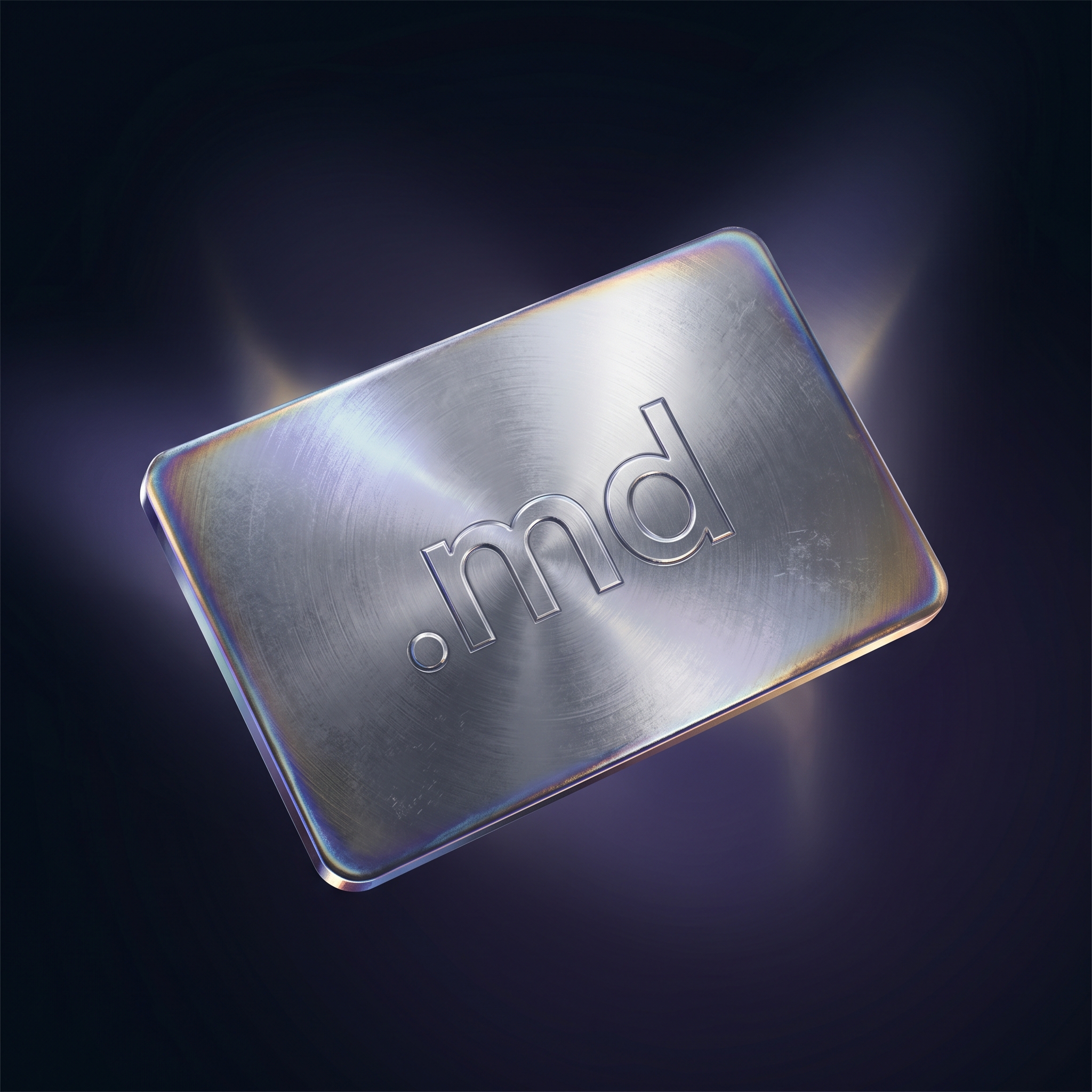
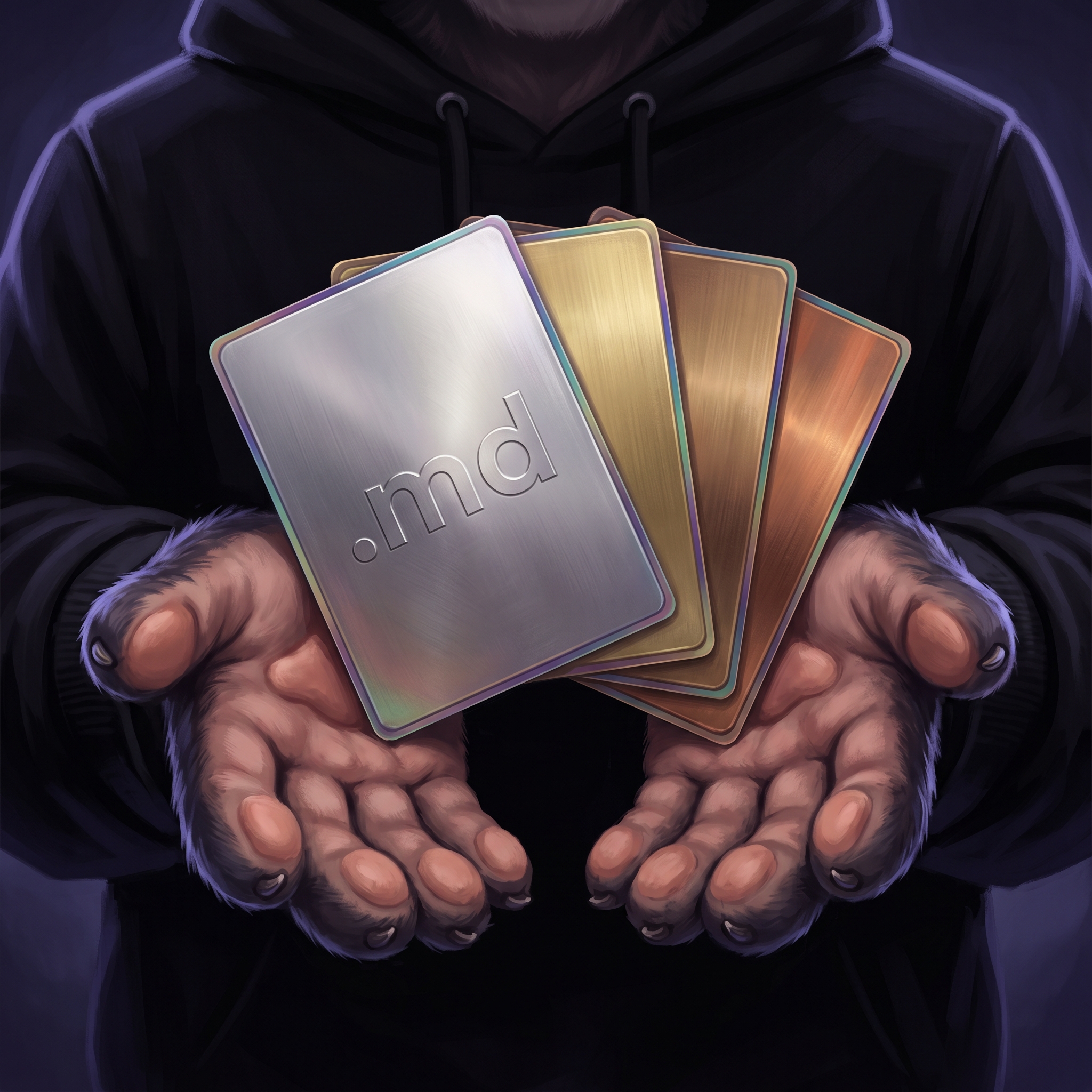
Metallic. Small. Easy to move. Precise. The kind of thing you slide across a desk and watch change the room. It’s a file. But it doesn’t feel like one.
Your turn
You can browse the whole catalog, start with Gato and get everything at once, or come back later — the studio will still be here.